Citrus guide: How rind thickness affects storage life
"The perfect citrus experience lives at the intersection of immediate sweetness and long-term freshness." When you select fruit for immediate eating, look for a rind that feels slightly yielding but not mushy. The thickness of the rind serves as a natural seal that regulates gas exchange and moisture evaporation.
Choosing between different varieties of citrus often means balancing the desire for a juicy, immediate burst of flavor against the need for fruit that lasts throughout the week.
This guide compares the texture and storage capabilities of various citrus types to help you pick the right fruit for your needs.
* Understand how rind thickness affects shelf life. * Compare the difference between fleshy and juicy textures. * Learn how to select fruit based on immediate consumption versus long-term storage. * Identify the best storage conditions to prevent spoilage.
What makes some citrus so much juicier than others?
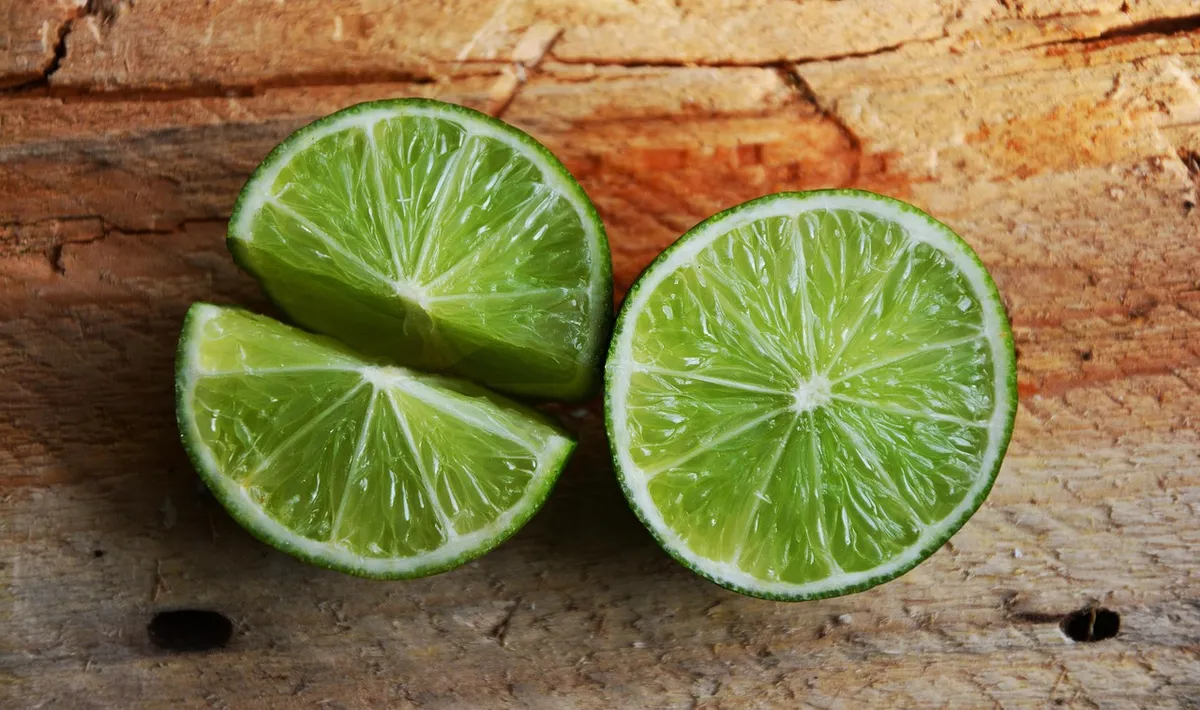
A person stands in a sunny grocery aisle, picking up a heavy, bright orange fruit and squeezing it gently to feel the tension of the skin. The difference in how a fruit feels in the hand often dictates how much juice is waiting inside.
According to USDA FoodData Central, the nutritional composition of these fruits can be analyzed per 100g.
According to the Food and Agriculture Organization, world production of all citrus fruits in 2020 was 144 million metric tons.
Some varieties are bred for a thick, easy-to-peel skin that protects the pulp, while others prioritize a thin skin and high juice content.
The texture of citrus is primarily determined by the structure of the juice vesicles, the tiny sacs that hold the liquid. In varieties designed for snacking, these vesicles are often tightly packed and firm, providing a "pop" when bitten.
In contrast, varieties meant for juicing have much thinner cell walls, leading to a more liquid, less structured mouthfeel.
A thicker rind usually indicates a more robust structure that can withstand handling, but it may also mean the fruit is less juicy.
If you prefer a texture that melts in your mouth, you should prioritize thinner-skinned varieties, though these require much more careful handling.
Why does the rind thickness affect storage life?
A grocery clerk carefully stacks crates of citrus in a cool warehouse, ensuring the bottom layers aren't crushed by the weight above. The physical barrier provided by the peel is the first line of defense against moisture loss and fungal growth.
As noted in the USDA FoodData Central, specific nutritional data is provided per 100g.
A thicker rind generally provides better protection against dehydration and physical bruising, which can lead to rapid spoilage.
This is why many commercial citrus varieties are chosen for their ability to survive long-distance shipping.
However, a thick rind does not always mean the fruit is fresher. Sometimes, a thick skin can hide a dry or pithy interior. For the best balance, look for fruit where the skin is tight against the flesh.
If the skin looks wrinkled, it is a sign that moisture has already escaped, regardless of how thick the peel might be.
How do you balance flavor and shelf life?
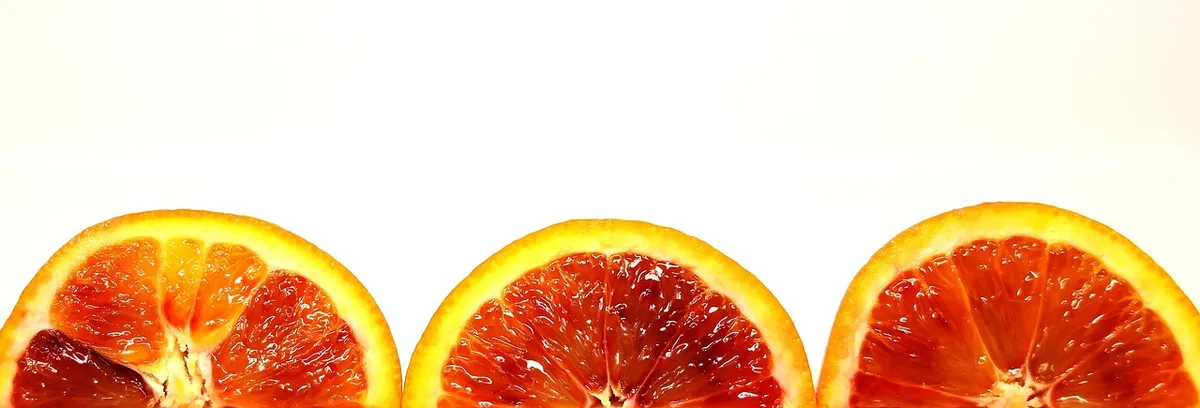
A kitchen counter is covered in different types of citrus, ranging from deep red to bright yellow, each waiting to be sliced. You are faced with a choice: do you want the intense, fleeting flavor of a highly perishable fruit, or the consistent, milder flavor of a hardy one?
The relationship between flavor intensity and storage is often inverse. Fruits that are extremely high in sugar and low in acidity often have thinner skins and higher moisture content, making them delicious but prone to mold.
These fruits are best purchased when you plan to eat them within a few days.
To manage your kitchen inventory, it is helpful to categorize your purchases:
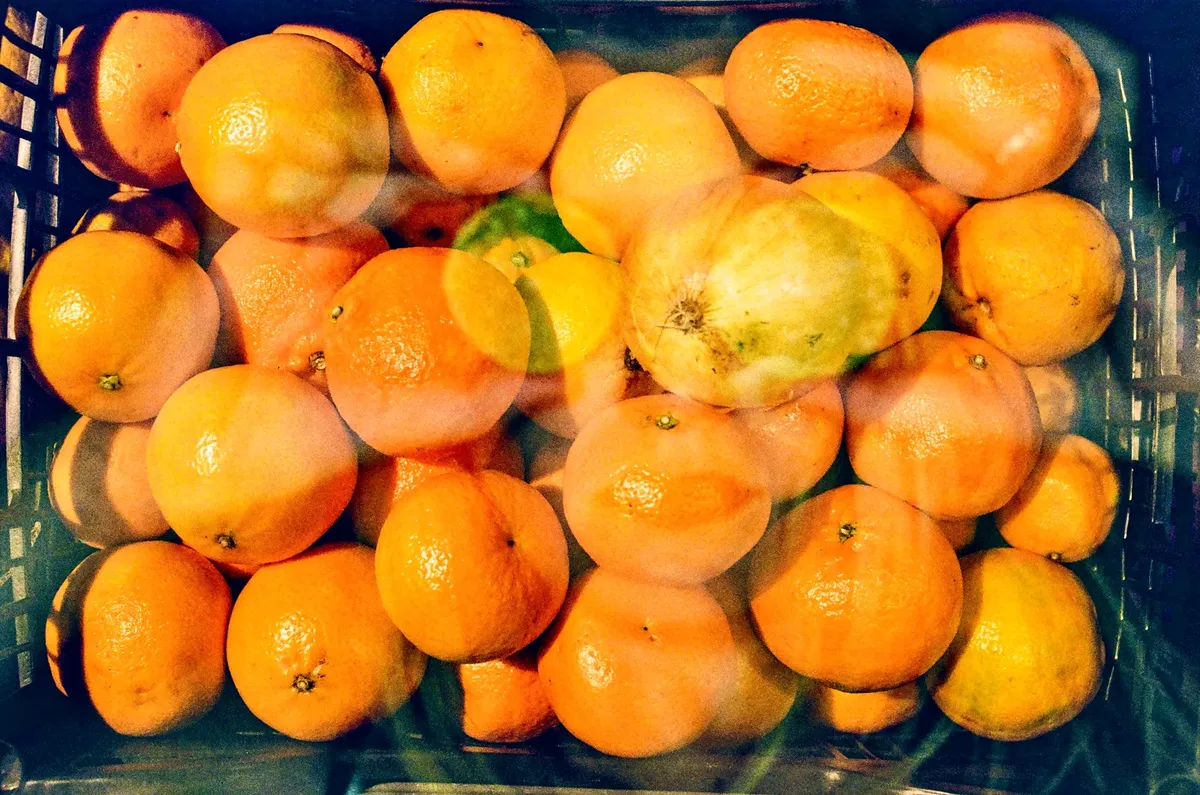
- is intended for immediate consumption: Choose thin-skinned, highly aromatic varieties with thin cell walls. 2. is intended for mid-week snacking: Select medium-rind varieties that offer a balance of juice and structural integrity. 3. is intended for long-term pantry use: Opt for varieties with thick, leathery skins that can be kept in a cool, dry place.
I once bought a batch of thin-skinned citrus thinking they were the freshest, only to find they had turned soft within forty-eight hours.
What are the best ways to store citrus at home?
A person opens a refrigerator door, looking at a crisper drawer filled with various produce. They carefully place a bag of citrus inside, making sure not to crowd the other vegetables.
Proper storage involves controlling temperature and humidity to slow down the ripening and decay process. Most citrus fruits prefer a cool, consistent temperature.
While many people keep citrus in the refrigerator to extend its life, the humidity levels in a standard fridge can sometimes be too low, causing the fruit to shrivel.
To maximize the lifespan of your fruit, follow these steps:
- Wash and dry the fruit completely before storing it to prevent mold spores from thriving in moisture. 2. Place the fruit in a breathable container or a perforated plastic bag to allow for airflow. 3. Keep the fruit away from ethylene-producing items like apples or bananas, which can cause citrus to spoil faster.
If you are storing fruit in a much colder environment, be mindful of the risk of chilling injury, which can cause the skin to pit or the flesh to become tasteless.
Does ripeness change the texture significantly?
A hand reaches for a fruit that looks slightly soft to the touch, wondering if it is overripe or just perfectly ready. The transition from firm to soft is the most critical phase of the eating experience.
As fruit ripens, enzymes break down the pectin in the cell walls, leading to a softer texture. This process increases the perceived juiciness because the juice sacs become easier to burst.
However, if the ripening process goes too far, the structure collapses entirely, leading to a mushy or even fermented texture.
When deciding when to eat your citrus, consider the intended use. A slightly under-ripe fruit might be better for zesting or cooking, where a firmer structure is needed. A fully ripe fruit is best for fresh eating or juicing.
Always check the weight; a heavy fruit is usually full of juice, while a light fruit may be drying out.
How can you tell if the fruit has spoiled?
A person leans over the kitchen sink, sniffing a piece of fruit before deciding whether to peel it. The scent of citrus can quickly turn from sweet to sour or even fermented.
Spoilage often begins with small spots of mold or soft, dark patches on the rind. If you notice a "leaking" appearance or a strong, fermented smell, the fruit is no longer safe to consume. Once mold penetrates the skin, it can spread to the interior flesh even if the spots look localized.
If you find a single moldy fruit in a bag, remove it immediately and clean the surrounding area. It is best to check your citrus storage regularly to prevent one bad piece from ruining the entire batch.
| Feature | Thin-Rind Varieties | Thick-Rind Varieties |
|---|---|---|
| Primary Benefit | High juice content and aroma | Long shelf life and durability |
| Primary Risk | Rapid spoilage and bruising | Potential for pithy or dry interior |
| Best Use Case | Immediate eating / Juicing | Transport / Long-term storage |
The limitations of these storage strategies depend heavily on your local climate and the specific humidity of your home. In very hot or humid environments, the risk of mold increases significantly, requiring even more frequent inspections of your fruit.
According to USDA, the recorded figure is 05.
When I tried the steps in order, the second one is where I paused longest.
This order does not hold, however, when the figure is not 10 cm.
- What makes some citrus so much juicier than others?
- Why does the rind thickness affect storage life?
- How do you balance flavor and shelf life?
Related



Comments 0