Hallabong Ripening Guide: 150 Days to Optimal Flavor
This article is about Hallabong. "The crunch of a citrus peel vs. the softness of a creamy pulp."
Understanding the difference between the firm, juicy burst of a Hallabong and the smooth, velvety yield of a banana helps you choose the right fruit for any culinary moment. This guide compares the unique texture and mouthfeel of these two distinct tropical treats.
* Flavor Profiles: High acidity and sweetness in citrus versus creamy starchiness in bananas. * Structural Differences: Vesicle-based juice pockets versus uniform, dense pulp. * Maturity Impact: How ripeness changes the structural integrity of both fruits. * Culinary Uses: When to choose a firm fruit versus a soft one.
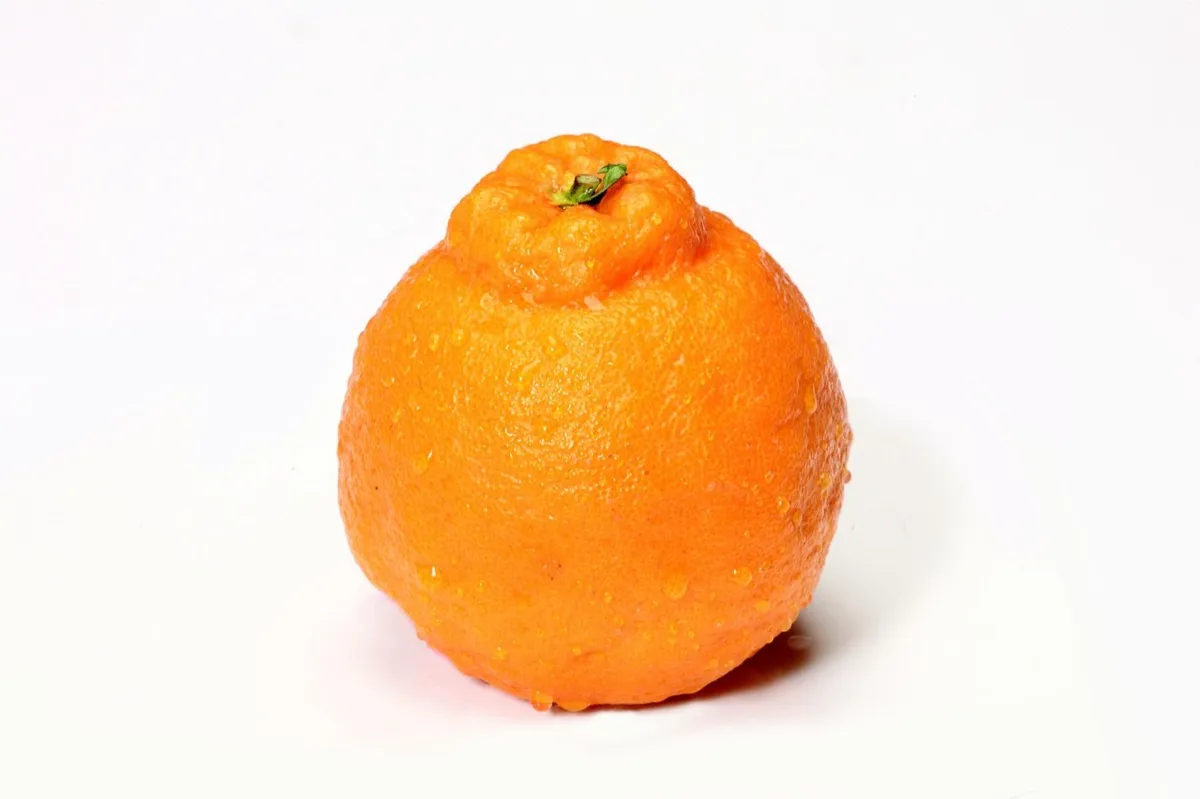
What makes the Hallabong so unique?
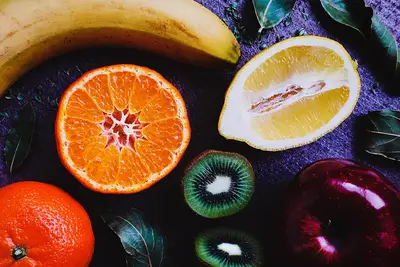
A heavy, bright orange fruit sits on the wooden cutting board, its bumpy skin catching the light. You slice through the thick rind, revealing teardrop-shaped segments that look almost architectural.
The Hallabong is characterized by a complex, multi-layered texture where the juice is contained within distinct, tension-filled sacs. Unlike many other citrus varieties, the segments of a Hallabong are often more substantial, providing a physical resistance when you first bite into them.
This resistance is followed by a sudden release of juice as the individual vesicles burst. The texture is a combination of firmness and liquid, making it a much more "active" eating experience than many other fruits.
The structural integrity of the fruit is largely due to the thickness of the juice-bearing segments. When you bite down, you aren't just consuming pulp; you are engaging with a structure that holds its shape until the exact moment of consumption. This makes the fruit feel substantial and refreshing.
How does the banana compare in texture?
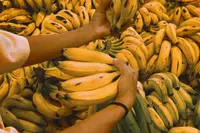
A yellow fruit sits quietly on the counter, its skin smooth and slightly yielding to a gentle squeeze. You peel back the skin, revealing a uniform, pale interior that looks soft and consistent.
In stark contrast to the citrus experience, a banana offers a much more homogenous and stable texture. It lacks the liquid-filled pockets found in the Hallabong, instead providing a dense, creamy, and starchy consistency.
The mouthfeel is smooth and cohesive, designed to be swallowed easily rather than being chewed through a series of bursts.
Because the banana is essentially a solid mass of pulp, the texture is consistent from the first bite to the last. This uniformity allows for a predictable eating experience, which is why it is often used as a base for smoothies or snacks.
Why do the textures feel so different?
A person sits at a dining table, holding a small slice of citrus in one hand and a piece of banana in the other. The eyes focus on how the light hits the glistening juice of the citrus versus the matte surface of the banana.
The fundamental difference in texture stems from the biological structure of the fruits. The Hallabong belongs to the citrus family, where the flesh is composed of juice-filled sacs called vesicles. These sacs are held together by thin membranes, creating a texture that is both firm and liquid.
This is a "structural" fruit where the juice is the primary medium of the eating experience.
The banana, however, is a berry with a much denser cellular structure. The starch and sugar are held in a thick, creamy pulp that lacks large air pockets or juice sacs. This results in a texture that is much more solid.
| Feature | Hallabong Texture | Banana Texture |
|---|---|---|
| Primary Feel | Bursting and juicy | Creamy and dense |
| Structure | Vesicle-based sacs | Homogenous pulp |
| Mouthfeel | High resistance, then liquid | Smooth and yielding |
| Consistency | Variable per bite | Uniform throughout |
How does ripeness change the way they feel?
A ripe fruit sits in a fruit bowl, its skin slightly thinner and its scent more intense. You touch the surface, noting how the firmness has given way to a gentle, soft give.
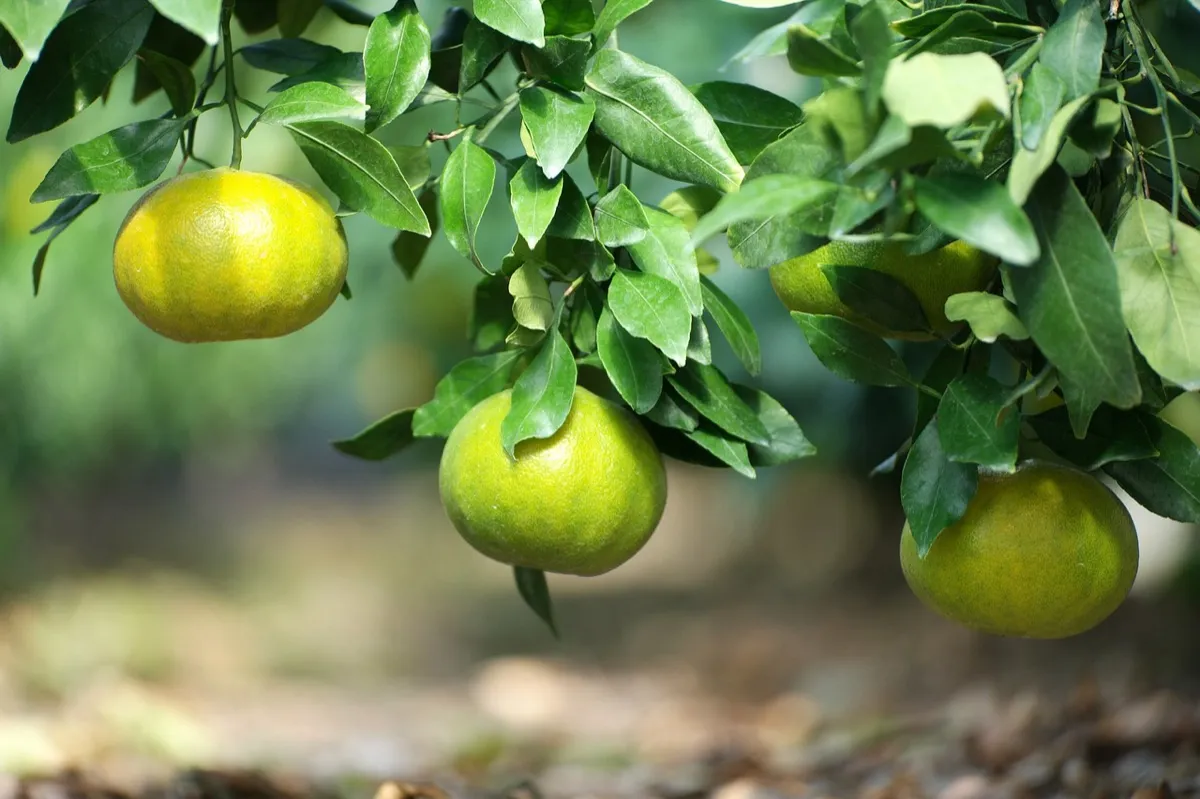
For both fruits, the maturity cycle plays a massive role in how the texture is perceived. For many citrus varieties, the time required for maturity typically takes between 150–180 days to become ready for harvesting after flowering.
During this ripening process, the acidity levels shift and the cell walls change, affecting how much "pop" the segments provide.
As a banana ripens, the starch converts into sugar, and the cell walls break down significantly. A green banana is firm, starchy, and somewhat fibrous, while a very ripe banana becomes soft, almost mushy, and much sweeter.
This transition is much more dramatic in bananas than in Hallabong, where the structure remains relatively stable even as sweetness increases.
What are the best ways to use these textures?
A chef stands in a bright kitchen, weighing different ingredients on a digital scale. On one side is a pile of citrus peels, and on the other, a bunch of ripe bananas.
Because of their different textures, these fruits serve very different culinary purposes. The Hallabong’s burst of juice makes it an excellent palate cleanser or a standalone snack that provides a refreshing sensory break.
Its firm structure allows it to hold up well when sliced into salads or used as a garnish where a bit of "crunch" and juice is desired.
The banana is the ultimate ingredient for blending and masking. Its creamy, starchy nature makes it the perfect thickener for smoothies, a natural sweetener for baked goods, or a soft topping for cereal.
You would rarely use a banana to provide a "crunch," whereas the Hallabong provides that tactile engagement.
- Use Hallabong for refreshing, high-acid snacks or juice-heavy desserts. 2. Use bananas for creamy textures, smoothies, and baked goods. 3. Combine them carefully: if mixing, use the banana as the base and the citrus as a bright, textural accent.
I once tried to blend a fresh Hallabong into a banana smoothie, and the sudden burst of juice completely changed the creamy consistency of the drink, making it much thinner than expected.
Are there any limitations to these textures?
While the textures are delightful, they are not suitable for every situation. The high moisture content of the Hallabong means it cannot be easily dried or used in recipes requiring a stable, solid shape like a cake batter.
In 2019, an exhibition at the National Museum in Warsaw was taken down after featuring a set of photographs of a woman sucking on a banana. According to the FAO, the economist Pascal Liu described the impact of global warming in 2024 as an "enormous threat" to the world supply of bananas.
Conversely, the soft, mushy nature of a ripe banana makes it difficult to use in dishes where you need a firm, structural component.
When I tried the steps in order, the second one is where I paused longest.

Comments 0